
Loading...
Serving Oakley, CA and surrounding areas. (925) 993-4106
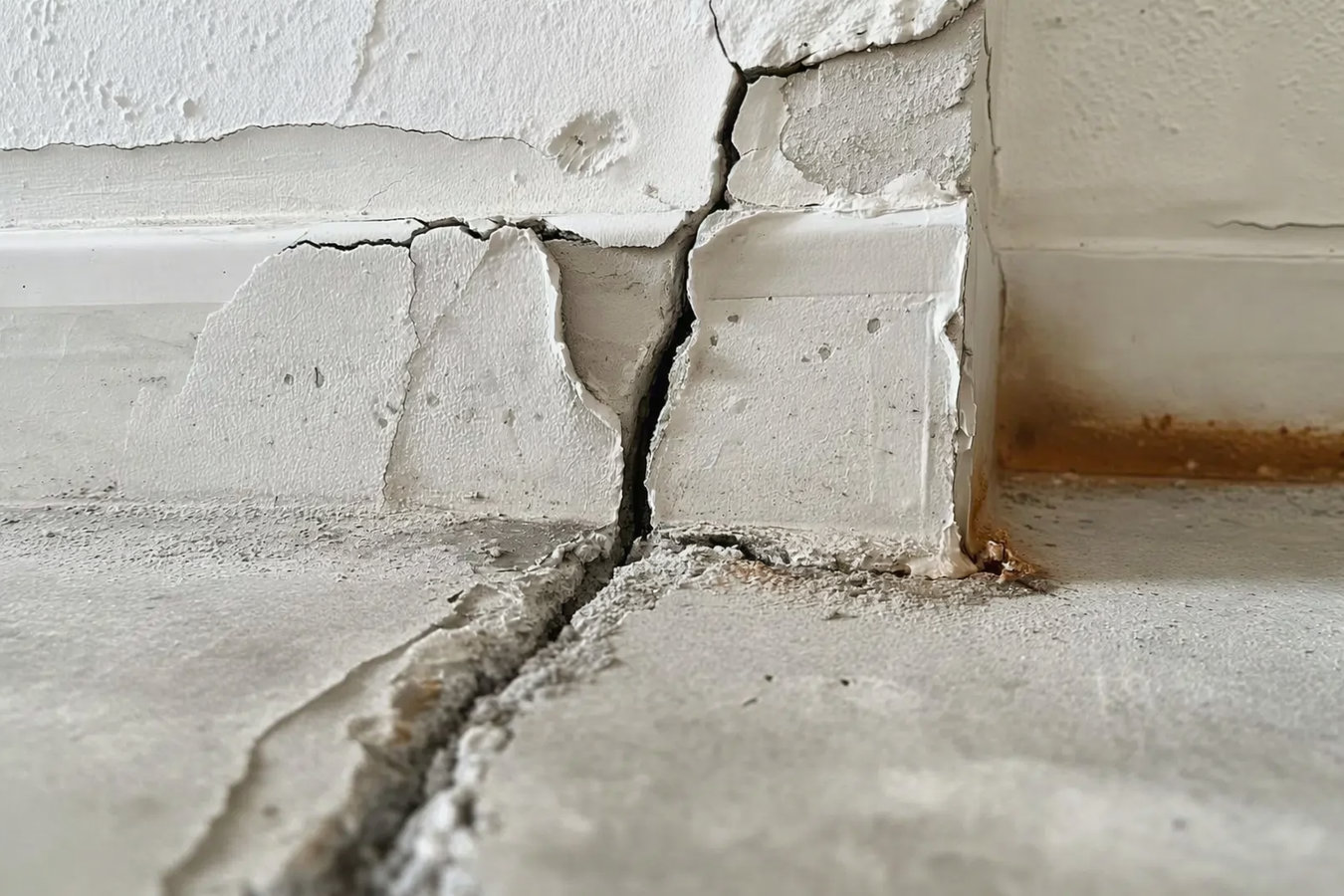
Your concrete has sunk and you want it fixed without tearing everything out. We lift settled driveways, patios, and floors back to level - and we figure out why they sank so they stay level.
Foundation raising in Oakley lifts sunken concrete slabs back to their original level position by pumping material beneath them through small drilled holes, most jobs are finished in a single day with no demolition required.
If your driveway looks like a gentle ramp or water is pooling where it never used to, the soil underneath your slab has shifted. In Oakley, that is almost always related to the Delta clay soil that expands in wet winters and shrinks in dry summers - a cycle that happens every year. Foundation raising addresses the slab you can see. For larger structural projects, we also handle slab foundation building from the ground up.
The key is to understand why your slab sank before we lift it. If we skip that step, you will be calling us back in a couple of years with the same problem. We do not skip that step.
Stand at one end of your driveway or patio and look across the surface. If it looks like a gentle ramp where it used to be flat, or water pools somewhere new, the slab has settled. In Oakley's clay-heavy ground, this is one of the most common things we see after a dry summer.
When the ground beneath a slab shifts, it can put pressure on the structure above. If interior doors that used to swing freely now drag or will not latch, or if you notice gaps forming at the tops of door frames, the foundation may be moving. That is your home telling you something has changed below.
Oakley's long, hot summers dry out the clay soil significantly. When that soil shrinks, it pulls away from the underside of your concrete. If you notice new cracks appearing in the fall - especially diagonal cracks near corners or edges - that is a sign the soil has moved enough to stress the slab.
If one section of a walkway or step has dropped even an inch below the section next to it, it creates a lip that people can catch their foot on. This is both a safety issue and a sign of uneven soil settlement. In older Oakley neighborhoods with aging irrigation systems, this often happens near sprinkler heads.
We offer both mudjacking and polyurethane foam injection. Mudjacking pumps a cement-and-soil slurry beneath the slab to fill voids and push the concrete back up. It has been around for decades, is effective on most residential slabs, and is often the lower-cost option. For areas where weight matters - like pool decks or older slabs near the house - foam injection is lighter, cures in under an hour, and holds up better in wet or shifting soil conditions. We will tell you which method makes more sense for your slab and why, not just which one earns more.
If we assess the slab and determine it is too far gone to lift - badly cracked or crumbling beyond repair - we will tell you honestly. At that point, we can move the conversation to concrete cutting to remove the damaged section cleanly, followed by a full replacement pour. The goal is a fix that lasts, not a fix that creates more calls.
Best for homeowners who want a proven, cost-effective lift on standard residential slabs in stable soil conditions.
Best for pool decks, patios, and areas with ongoing moisture or soil movement where a lighter-weight, fast-curing material will hold longer.
Best for homeowners with one or two sunken driveway panels that have settled away from adjoining sections.
Best for garage floors that have developed a noticeable slope or low corner, making the space harder to use and easier to trip in.
Oakley sits at the eastern edge of the Sacramento-San Joaquin Delta, where the soil is heavily clay-based. Clay soil swells when it absorbs water and shrinks when it dries - and it does both dramatically in this part of Contra Costa County. Every wet winter followed by a dry summer puts that cycle in motion. Most of Oakley's residential neighborhoods were built in the 1990s and early 2000s, which means a lot of those original slabs are now old enough for soil compaction to start failing and for the effects of those soil cycles to become visible. Sunken driveways, tilted patios, and trip-hazard sidewalks are not random - they are what happens when clay soil goes through 20-plus years of expansion and contraction. If you add tight lot spacing and irrigation systems that may have been directing water toward the foundation for years, the conditions are just right for settling.
We work across Oakley and into the surrounding cities. Homeowners in Brentwood deal with the same Delta clay soil conditions, and we regularly handle foundation raising there. In Antioch to the west, similar expansive soil patterns show up in the older neighborhoods near the waterfront. Understanding the soil conditions in each part of the East Bay is what lets us recommend the right method and set realistic expectations for how long the lift will hold.
When you call, we ask what kind of slab is affected and roughly how much it has settled. You will hear back within one business day, and we can usually schedule an on-site visit within a few days.
We walk the affected area, take measurements, and look at what caused the settling - soil erosion, drainage issues, or original compaction problems. If raising is not the right call, we will tell you that directly rather than take your money on a fix that will not hold.
You receive a written estimate that explains the recommended method, why we chose it, and what the work will cost. We also tell you upfront whether your project requires a City of Oakley permit and handle that process if it does.
The crew drills small holes, pumps material beneath the slab to fill voids and lift the concrete back to level, then patches and smooths the holes. Most residential lifts are finished in a few hours. We walk you through the finished area before we leave.
No obligation - we will assess the slab, explain what we would do and why, and give you a written estimate before you decide anything.
(925) 993-4106A lift that does not address the underlying drainage or soil issue will just settle again. Before we touch the concrete, we look at what caused it to move - and we tell you what we found. That is what makes the difference between a repair that holds and one that buys you two years.
Oakley's expansive clay soils are not a surprise to us - they are the standard condition in every project we take here. We factor in seasonal soil movement when we recommend a method and when we advise you on drainage after the work is done. That local knowledge matters in a place where the ground shifts every year.
The City of Oakley has specific requirements for foundation work, and navigating that on your own is confusing. We handle the permit question upfront - we tell you whether one is required for your project, and if it is, we pull it so the work is documented properly. You can verify contractor licensing through the California Contractors State License Board.
You will know exactly what is happening, when, and why before anyone drills a single hole. Our crew shows up when scheduled, finishes the same day in most cases, and patches the drill holes so the surface looks clean - not like someone repaired it with a different-colored material.
Foundation raising is one of those jobs where the contractor's knowledge of local soil conditions matters as much as their equipment. We have been lifting slabs in Oakley long enough to know what the Delta clay does in every season, and that knowledge shapes every recommendation we make.
Precise saw cuts for panel removal, utility trenches, and repair openings in driveways and floors.
Learn MoreNew or replacement concrete slab construction for residential additions, ADUs, and outbuildings.
Learn MoreOakley's rainy season is coming. Get your sunken concrete assessed and lifted before wet soil shifts it further. We respond within one business day.